


RCS (Rich Communication Services) is now generally available in Klaviyo. Here’s what you should know.
Hey everyone,
If you have been following the mobile messaging space, you have probably heard it described as “the future of SMS.” But what does that actually mean for your day-to-day marketing? And more importantly, does it change anything for you right now?
Short answer: yes, but not in a rebuild-your-entire-program kind of way.
RCS does not replace SMS. It expands what text messaging can do, giving you richer, more branded, more interactive experiences inside the native messaging app your customers already use.
Let’s break it down.
What is RCS and how is it different from SMS and MMS?
Think of RCS as SMS with upgrades.
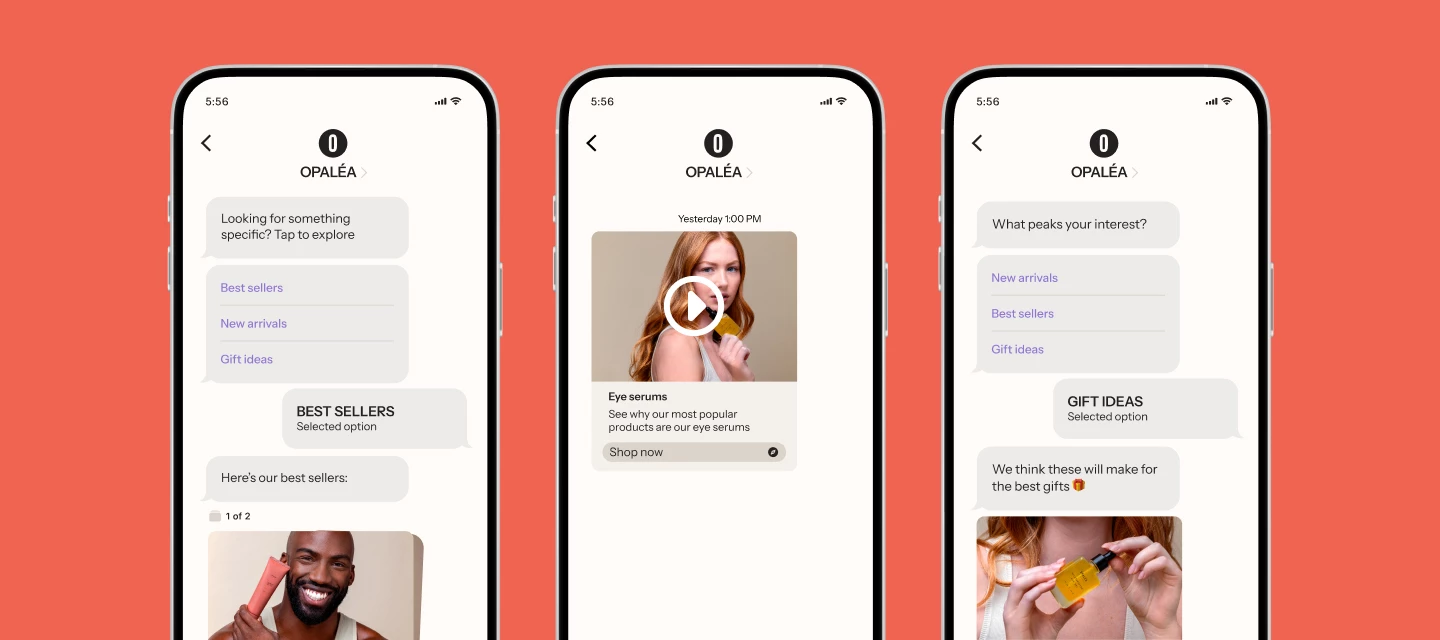
It still lives in your customer’s default messaging app. But it supports:
Branded sender profiles
Your business name, logo, and verification appear in the conversation. This reduces “Who is this?” friction.
Rich media
High-quality images, videos, and GIFs on supported devices.
Interactive elements
Tappable buttons, suggested replies, and swipeable product carousels.
Read receipts
You can see when messages are opened, similar to email.
Here is how it compares:
-
SMS: Plain text. Universal. Reliable.
-
MMS: Media support, but inconsistent rendering and not supported in all regions.
-
RCS: Rich, branded, interactive messaging with automatic fallback to SMS or MMS when RCS is not supported.
Important: You do not need to build separate campaigns. Once your RCS agent is approved and activated, RCS becomes the default format. Klaviyo automatically falls back when needed, so no customer gets left behind.
Why RCS matters for B2C brands right now
Consumer expectations have shifted.
Customers expect:
-
Visual experiences
-
Clear brand trust signals
-
Frictionless actions
-
Conversations, not just broadcasts
Plain text still works, and SMS remains incredibly powerful. But RCS adds another layer of capability.
Here is what that unlocks:
1. More trust from the start
Verified branding reduces hesitation. Your logo and name show up immediately.
2. More action inside the message
Instead of asking customers to click a link and browse from scratch, you can:
-
Show products directly
-
Add tappable calls to action
-
Let customers reply with suggested options
Fewer steps can mean faster decisions.
3. The same Klaviyo data with richer execution
You are still using:
-
Your segmentation
-
Your predictive analytics
-
Your AI tools
-
Your flows and campaigns
RCS simply gives those messages a richer container.
4. Stronger global coverage
In regions where MMS is not supported or two-way SMS is limited, RCS can help fill the gap and strengthen your mobile channel mix.
Where RCS fits into your current strategy
You do not need to rebuild your program.
The easiest way to think about RCS is to enhance the moments that already drive revenue.
Start with one or two high-impact flows:
Welcome series
Make your first message feel premium and clearly branded.
Abandoned cart
Show the product they left behind and add a tappable “Complete Purchase” button.
Back-in-stock
Display a swipeable carousel of restocked items.
Post-purchase
Send order confirmation, tracking, and product recommendations in one rich thread.
VIP or loyalty campaigns
Deliver exclusive offers in a format that feels elevated.
If you are testing, start small. Measure engagement. Compare performance on RCS-capable devices versus fallback SMS. Let the data guide your next move.
Getting started with RCS in Klaviyo
If you are already running SMS in Klaviyo, here is what the path looks like:
1. Register your RCS agent
Your verified sender profile needs carrier approval in your target markets. This can take some lead time, so plan accordingly.
2. Activate RCS
Once approved, RCS becomes your default format for supported devices.
3. Use your existing workflows
There are no new builders or separate flow logic required. You will work inside the same campaigns and flows you already know.
4. Segment by capability if needed
If you want to test or analyze performance, you can segment RCS-eligible devices.
For deeper setup guidance, check out the Help Center or the RCS landing page.
A few things to keep in mind
RCS is powerful, but it is not universal yet.
Device and carrier dependency
RCS requires both a supported device and a participating carrier. If either requirement is not met, messages automatically fall back.
Test rendering
Like email clients, different devices and carriers may render rich content slightly differently. Preview and test before scaling.
Check regional availability
If you operate globally, confirm support in your key markets before expanding heavily.
The good news is that Klaviyo handles fallback automatically. You are not managing multiple branches manually.
Would love to hear from the community:
- Are you planning to test RCS this quarter?
- Which flow would you try first?
- If you have already activated it, what early signals are you seeing?
Drop your thoughts below. If there is interest, we can also start a deeper thread on testing strategies or performance benchmarks.