

5 key lessons on zero-party data (Octane AI fireside chat recap)
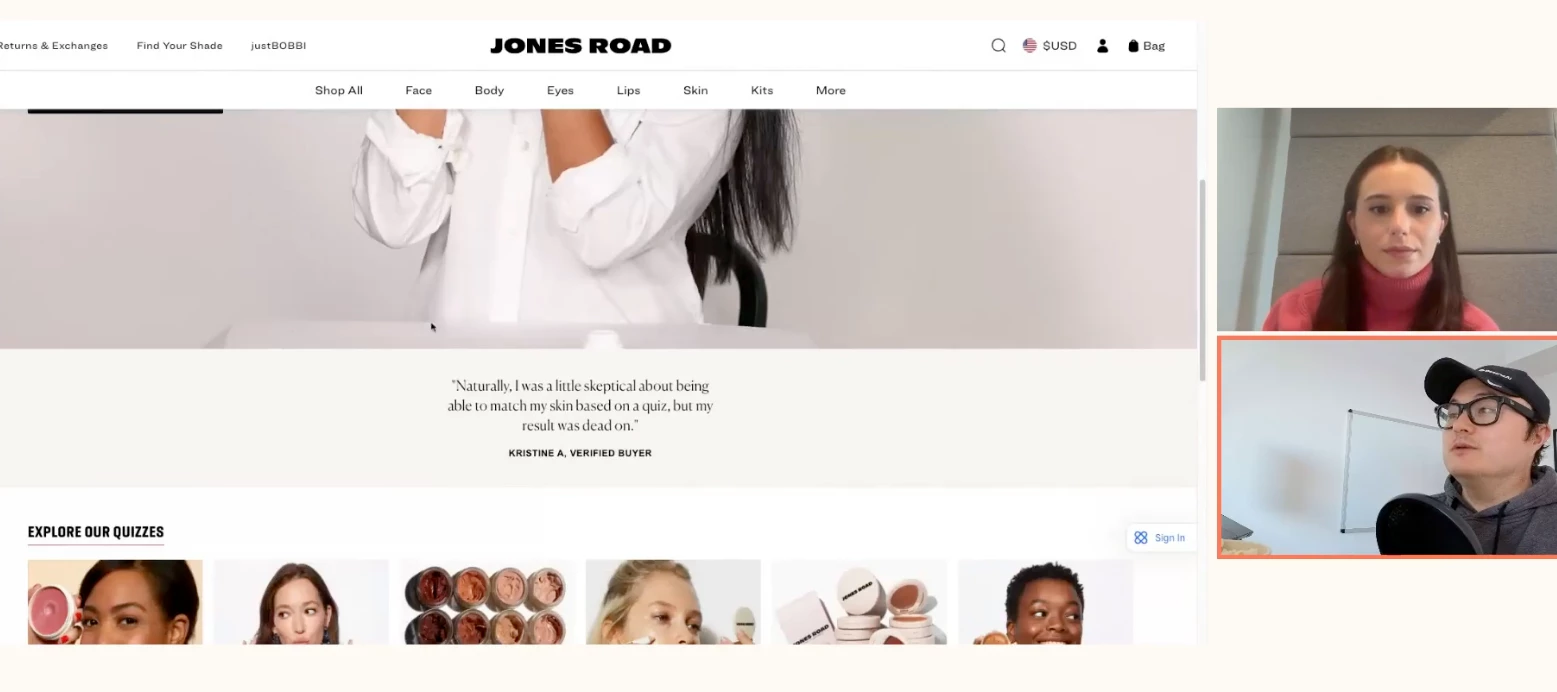
In the Community’s recent Fireside Chat, I sat down (over video meeting) with Ben Parr, President and Co-Founder of Octane AI, to explore how ecommerce brands can use zero-party data to create more personalized, high-converting customer experiences. From debunking common myths about data collection to sharing real examples from leading brands, this conversation unpacked practical strategies you can apply right away, especially if you’re using Klaviyo to power your email and SMS. Whether you’re just getting started or looking to level up your segmentation, this session was full of actionable insights.
Here are the top five takeaways from the chat:
1) Zero-party data wins because it powers real personalization (and better customer experiences).
Ben defined zero-party data as info customers directly volunteer (usually by answering questions)—vs. first-party behavioral signals you infer, or third-party data you buy. The payoff is that you can personalize email/SMS/site experiences in ways that generic campaigns can’t (e.g., oily vs. dry skin messaging, preferences, budgets, allergies, etc.). The core theme: data feeds personalization which feeds higher conversion + happier customers.
2) “Fewer questions is better” is a myth. Thoughtful depth increases trust and conversion.
A surprising pattern: conversion often improves with more questions, because it mirrors how an in-store associate builds confidence. The chat repeatedly anchored on ~10–15 questions as a strong benchmark when the questions are relevant, with the caveat that too many (or poorly designed) questions will cause drop-off.
3) The best quizzes feel like value-first guided shopping, not a lead form.
Customers will share contact info when the value exchange is explicit (e.g., “We’ll email/text your customized results”). Strong examples shared: brands that deliver a routine/plan (not just a product list), educational guidance, and personalized reasoning before selling. Big principle: value first, sale second.
4) Start collecting in high-intent moments and promote it like a core experience.
Ben recommended collecting data in high-intent moments: homepage “help me choose,” persistent on-site entry points, and especially ads driving to quizzes (because it’s an easier first step than “buy now”). A recurring reason strategies fail: brands build the quiz but don’t promote it (top nav, email, landing page hub, ads, etc.).
5) Fastest activation in Klaviyo: segments + core flow personalization (then iterate relentlessly)
Quick wins once data is in Klaviyo:
-
Create segments directly from quiz answers (preferences, needs, constraints).
-
Personalize core flows (welcome, browse abandon, cart abandon) using that zero-party data + behavior together.
-
Use AI-driven “smart properties/segments” where available to automate more targeting.
And the operational advice: A/B test and iterate (opt-in placement, question wording, drop-off points, offers, result layouts). The biggest ROI killers were called out as: wrong question count, weak value exchange, lack of promotion, and “set it and forget it.”
Check out the full session in the recording:
Additional resources:
More questions? Drop them below for me or Ben. Or let the Community know how you are activating your customer data!