Contributor I
October 22, 2024
Solved

How to track campaign conversions

  • October 22, 2024
  • 2 replies
  • 195 views

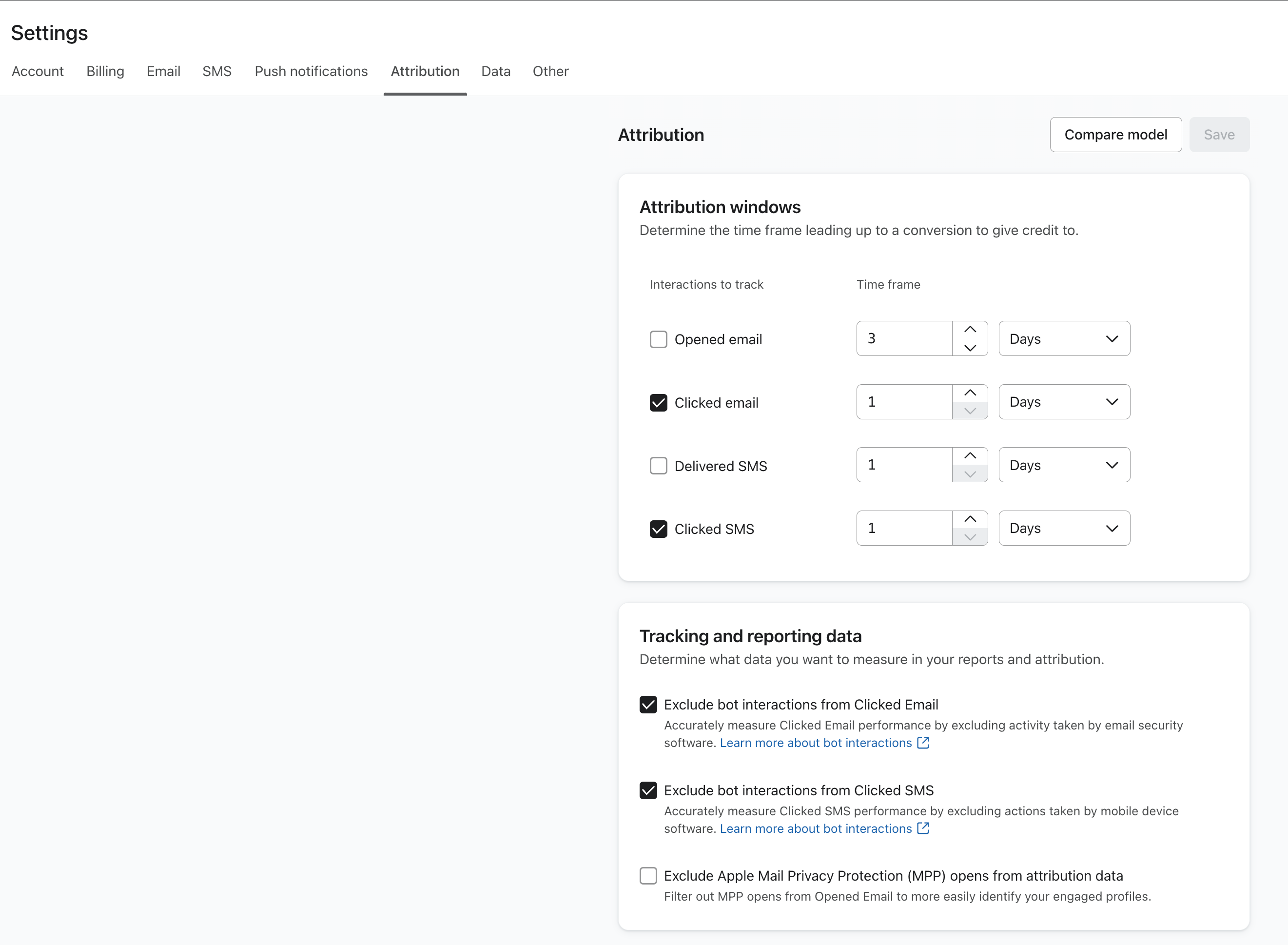
So I recently realized all our campaign conversions are way over-attributing, they were counting people who “OPENED” and email as conversions.  When the majority of these people who opened the email only converted due to a product subscription, they never even visited the website through that email.


I have now removed the “Opened email” attribution window.  And reduced the “Click email” from 3 days to 1 day.  


Any suggestions on how I can more accurately track actual conversions from email campaigns?


    This topic has been closed for replies.
    Best answer by SwannyVT

    Hello @ewolfe08 , thanks for posting! Open attribution remains quite common and is a valid approach, but it's important to exclude MPP opens from your data to maintain accuracy. It sounds like you're considering a shift to click attribution, which more brands are adopting for better channel precision.

    Ultimately, it depends on your specific channel strategy and preferences. For SMS, a 24-48 hour attribution window is standard due to the quick conversion nature of the channel. However, for email, I would recommend extending your window to 3-5 days. Otherwise, you may miss out on attributing revenue from purchases that were initially influenced by an email campaign.

    I suggest reviewing Klaviyo’s attribution setup and best practices here: Klaviyo Attribution Setup. Their attribution model comparison tool is also helpful for determining the right percentage of revenue attribution based on your historical data. Reviewing the last 90 days or YTD data can provide insights. Generally, if you're diversified across multiple marketing channels (paid digital, organic social, affiliate, PR, etc.), 25-35% attributed to email is considered a healthy range.

    Keep in mind that changes to your attribution model won’t impact historical data, but moving forward, they will apply to all active campaigns and flows. It's important to make an informed decision before adjusting these settings and sticking with it.

    Regarding your subscription-related concern, this is a common scenario for subscription businesses. You may want to explore setting up a custom metric (such as a non-subscription placed order) via API or other event fields to help distinguish between new and subscription orders in your attribution.

    Lastly, here's another community post that addresses potential solutions and provides further context on this topic:

    I hope that helps!

    Thanks,

    Mike

    2 replies

    SwannyVT
    Problem Solver III
    SwannyVTAnswer
    2025 Champion
    October 24, 2024

    Hello @ewolfe08 , thanks for posting! Open attribution remains quite common and is a valid approach, but it's important to exclude MPP opens from your data to maintain accuracy. It sounds like you're considering a shift to click attribution, which more brands are adopting for better channel precision.

    Ultimately, it depends on your specific channel strategy and preferences. For SMS, a 24-48 hour attribution window is standard due to the quick conversion nature of the channel. However, for email, I would recommend extending your window to 3-5 days. Otherwise, you may miss out on attributing revenue from purchases that were initially influenced by an email campaign.

    I suggest reviewing Klaviyo’s attribution setup and best practices here: Klaviyo Attribution Setup. Their attribution model comparison tool is also helpful for determining the right percentage of revenue attribution based on your historical data. Reviewing the last 90 days or YTD data can provide insights. Generally, if you're diversified across multiple marketing channels (paid digital, organic social, affiliate, PR, etc.), 25-35% attributed to email is considered a healthy range.

    Keep in mind that changes to your attribution model won’t impact historical data, but moving forward, they will apply to all active campaigns and flows. It's important to make an informed decision before adjusting these settings and sticking with it.

    Regarding your subscription-related concern, this is a common scenario for subscription businesses. You may want to explore setting up a custom metric (such as a non-subscription placed order) via API or other event fields to help distinguish between new and subscription orders in your attribution.

    Lastly, here's another community post that addresses potential solutions and provides further context on this topic:

    I hope that helps!

    Thanks,

    Mike

    -Mike
    bluesnapper
    Partner
    Champion & Partner
    October 25, 2024

    Hi @ewolfe08 

    Are you on Shopify and what subscription app are you using? I may have a set up that can help with that part of your question.

    Regards

    Andy

    https://bluesnapper.com - Klaviyo Champion '24 & Partner